Historians love books!
Even in the age of the internet they’re an essential part of a local historian’s tool kit. Here are 5 that you should think of adding to your library.
01 THE CLASSIC STARTING POINT
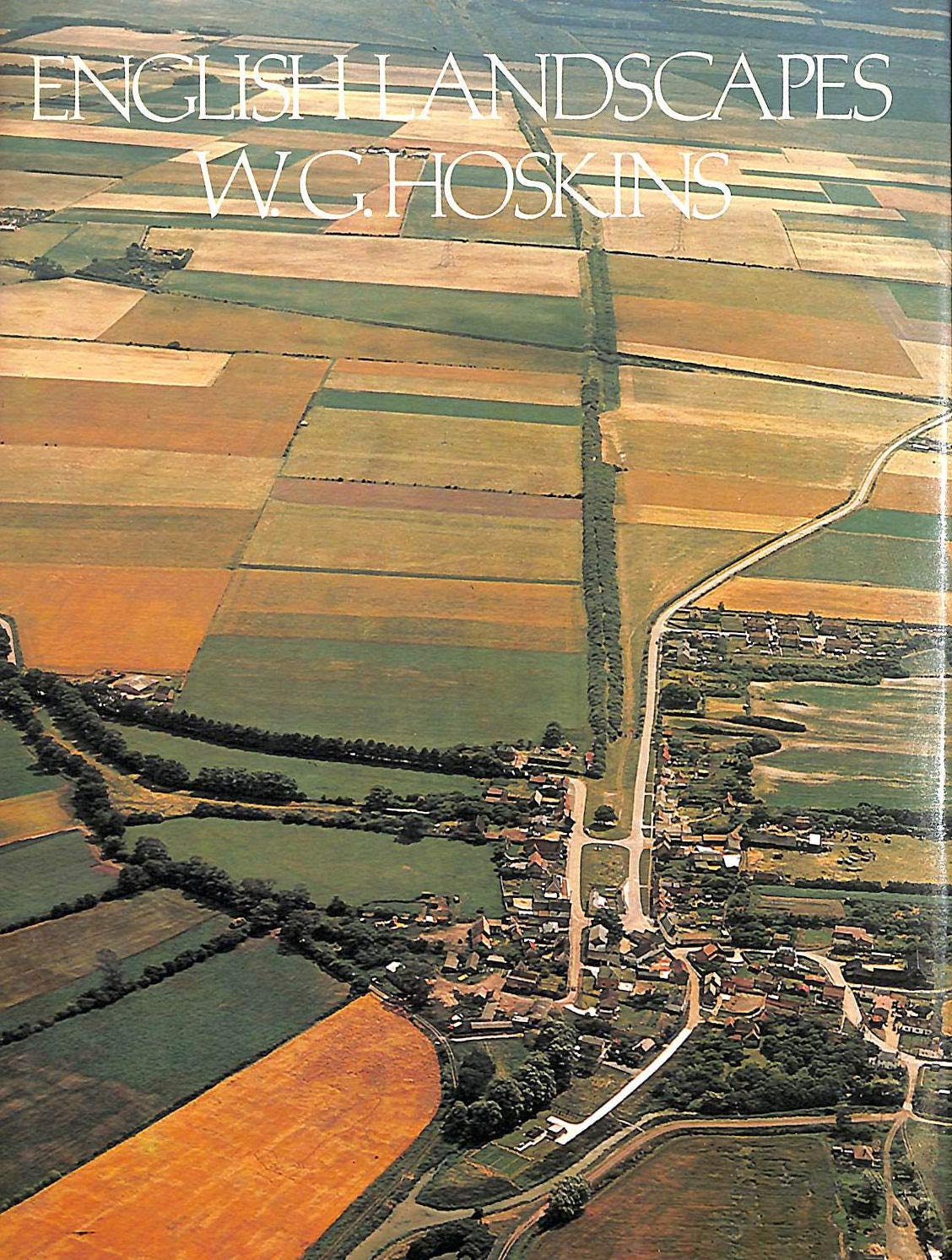
The Making of the English Landscape
W. G. Hoskins (1955; Penguin revised ed. 1985)
The book that founded British local history as a serious discipline. Hoskins taught readers to treat the landscape itself — field systems, hedgerows, lanes, village forms — as a primary document. Half a century on, it remains the essential manifesto for anyone who wants to read the past in the world around them.
02 PRACTICAL HANDBOOK
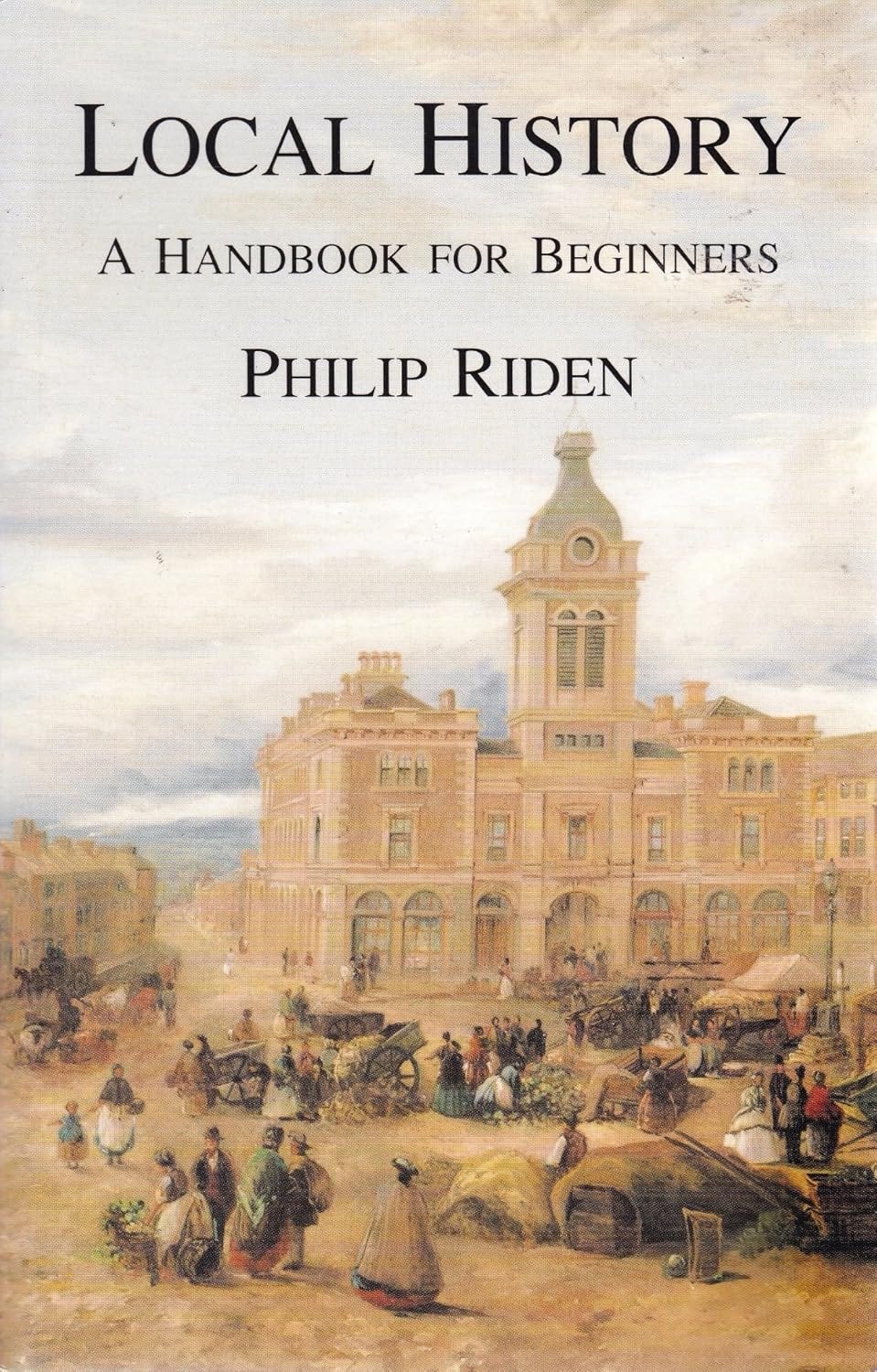
Local History: A Handbook for Beginners
Philip Riden (2nd ed., 1998)
The most directly practical guide written specifically for British researchers. Riden walks through every major source type — parish registers, census returns, tithe awards, enclosure maps, quarter sessions, trade directories — explaining where to find them, what they contain, and how to use them critically.
03 RESEARCH METHODOLOGY
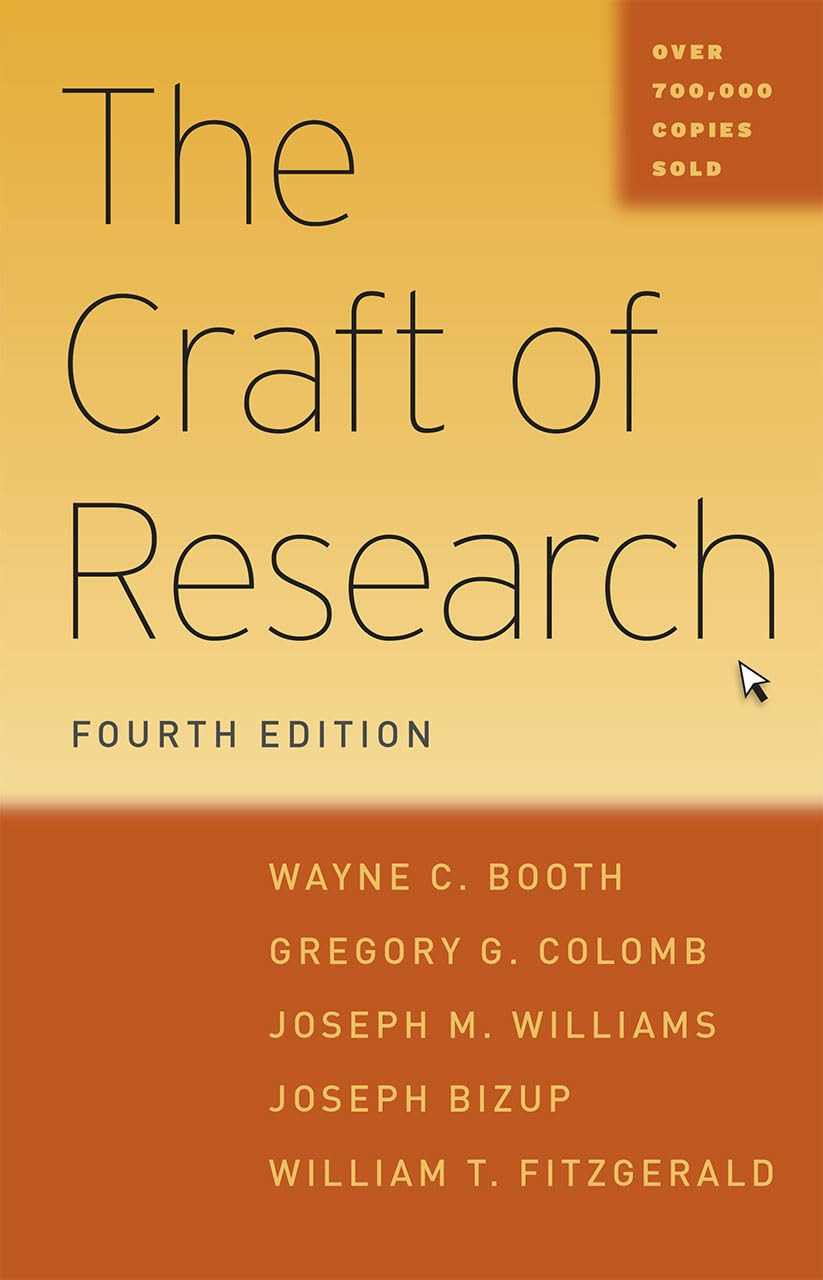
The Craft of Research
Wayne C. Booth, Gregory G. Colomb & Joseph M. Williams (4th ed., 2016)
Though an academic book, this is the finest general guide to formulating questions, evaluating sources, building arguments, and presenting evidence clearly. Whilst not targeted at historians, its principles apply equally to any archive or county record office. Read it alongside Riden to sharpen both your methods and your thinking.
04 NAVIGATING THE ARCHIVES
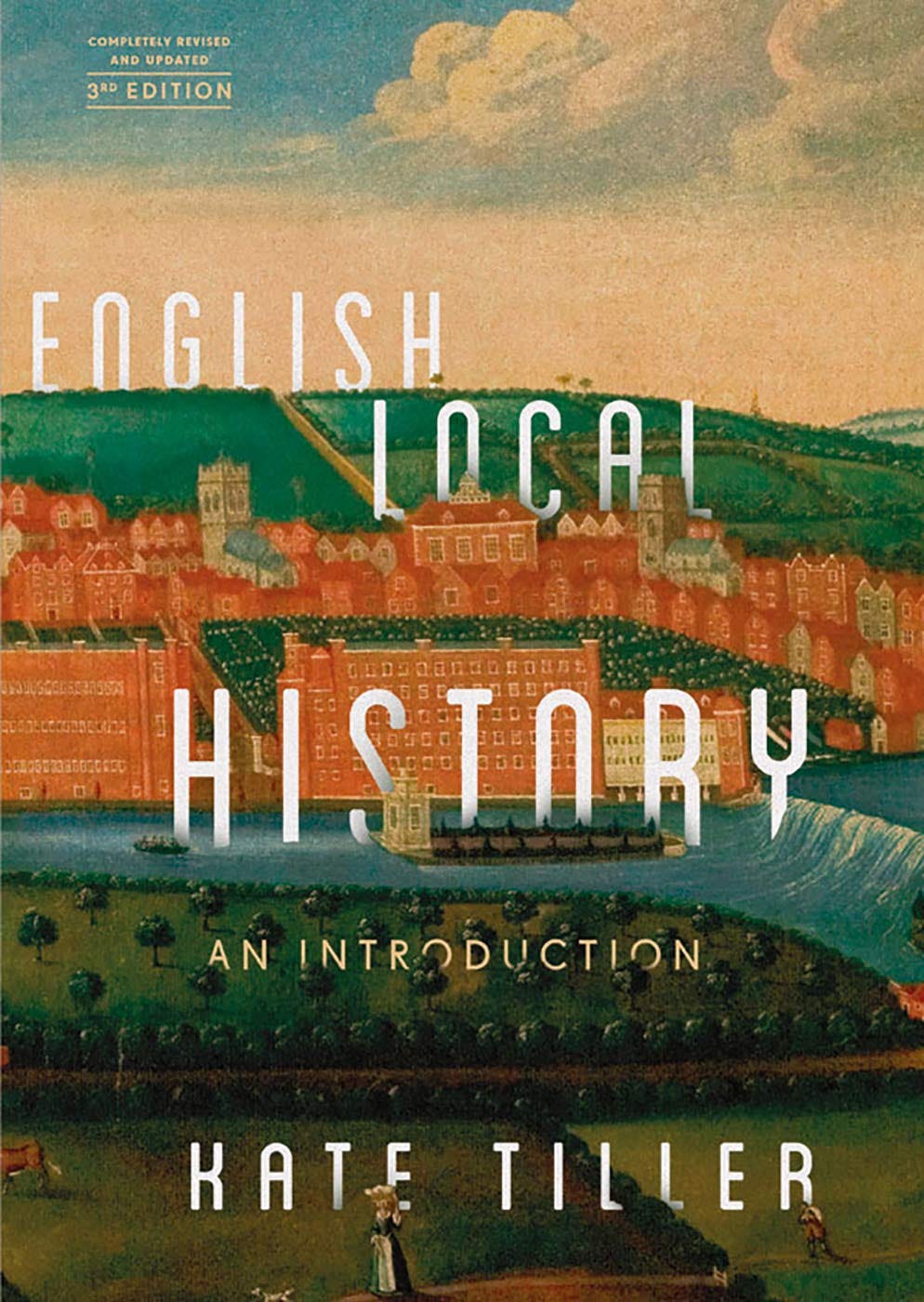
English Local History: An Introduction
Kate Tiller (1992; revised ed. 2002)
Tiller’s guide is essential reading for both new and experienced local historians. It covers the different periods of English history and the types of sources that are available for each.
05 MAPS & VISUAL SOURCES
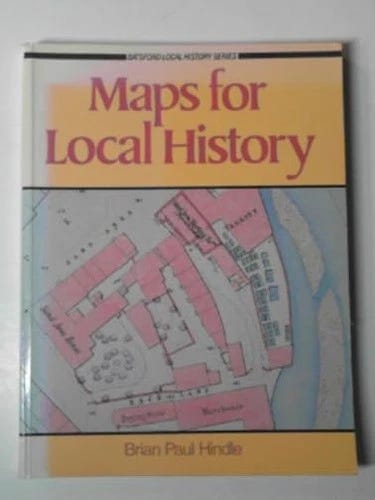
Maps for Local History
Brian Paul Hindle (1988)
A systematic guide to the cartographic record of England and Wales, covering estate maps, enclosure and tithe maps, Ordnance Survey series, town plans, and transport maps. Hindle explains not only how to find and read these sources but also how to interpret their silences and distortions — every map was made by someone with a purpose.